

How California’s January 2026 Cold Snap Is Affecting Your Roof (And What to Do Now)
Cold Weather Is Not “Harmless” for California Roofs
January 2026 is shaping up to be one of the colder winter periods California homeowners have experienced in recent years. While California is not known for harsh winters, sudden drops in temperature, prolonged cold nights, heavy rain, and frost conditions can quietly damage residential roofing systems—especially in the Bay Area and surrounding regions.
Many homeowners mistakenly believe that cold-weather roof problems are only a concern in snowy states. In reality, California roofs are often more vulnerable because they are not designed for repeated freeze-thaw cycles, moisture retention, and temperature fluctuations.
This is why January is one of the most important months to inspect, maintain, and protect your roof before minor issues turn into expensive repairs.
Yorkshire Roofing helps California homeowners stay ahead of winter damage with professional inspections, targeted repairs, and long-term roofing solutions designed for local weather conditions.
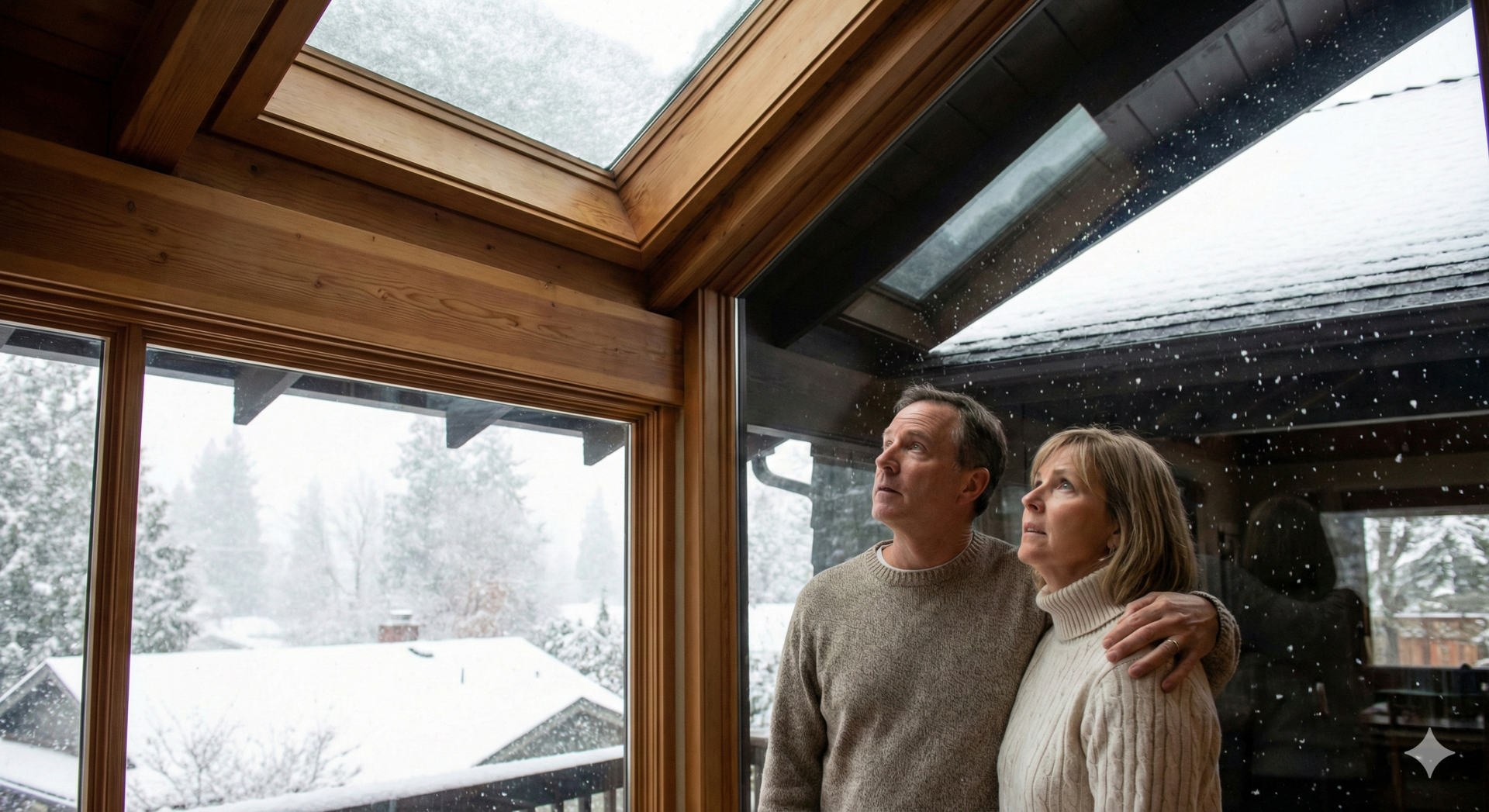
How Cold Temperatures Damage California Roofs
Cold weather doesn’t have to bring snow to cause roof problems. In California, damage typically comes from temperature stress and moisture , not ice buildup.
1. Thermal Expansion and Contraction
When temperatures drop at night and rise during the day, roofing materials expand and contract repeatedly. Over time, this movement can:
-
Crack asphalt shingles
-
Loosen fasteners
-
Weaken sealants around vents and flashing
These micro-damages often go unnoticed until leaks appear weeks or months later.
2. Moisture Penetration from Rain and Condensation
Cold air increases condensation under roofing materials. Combined with winter rain, this can lead to:
-
Trapped moisture in the attic
-
Mold growth
-
Wood rot in decking and rafters
Once moisture penetrates the roof system, damage accelerates quickly.
3. Compromised Flashing and Seals
Metal flashing contracts in cold weather. If flashing is already aging or improperly installed, gaps can form around:
-
Chimneys
-
Skylights
-
Roof valleys
These areas are among the most common leak points during winter.
Warning Signs Your Roof Needs Immediate Attention
Homeowners should not wait for visible leaks. Many winter roof problems start silently. Look for:
-
Water stains on ceilings or walls
-
Drafts or cold spots inside the home
-
Curling or cracked shingles
-
Excessive debris in gutters
-
Rising heating bills (indicating insulation or ventilation issues)
If you notice any of these signs, it’s time to schedule a professional inspection.

How Yorkshire Roofing Helps Protect Your Home This Winter
Yorkshire Roofing offers comprehensive roofing services tailored to California’s winter conditions.
Professional Roof Inspections
A winter inspection can identify small vulnerabilities before they become major repairs. Yorkshire Roofing’s inspections evaluate:
-
Shingle condition
-
Flashing integrity
-
Ventilation and insulation performance
-
Signs of moisture intrusion
Long-Term Roof Replacement Solutions
For aging or failing roofs, winter is an ideal time to plan a replacement before spring storms arrive. Yorkshire Roofing installs high-performance roofing systems built for durability and energy efficiency.
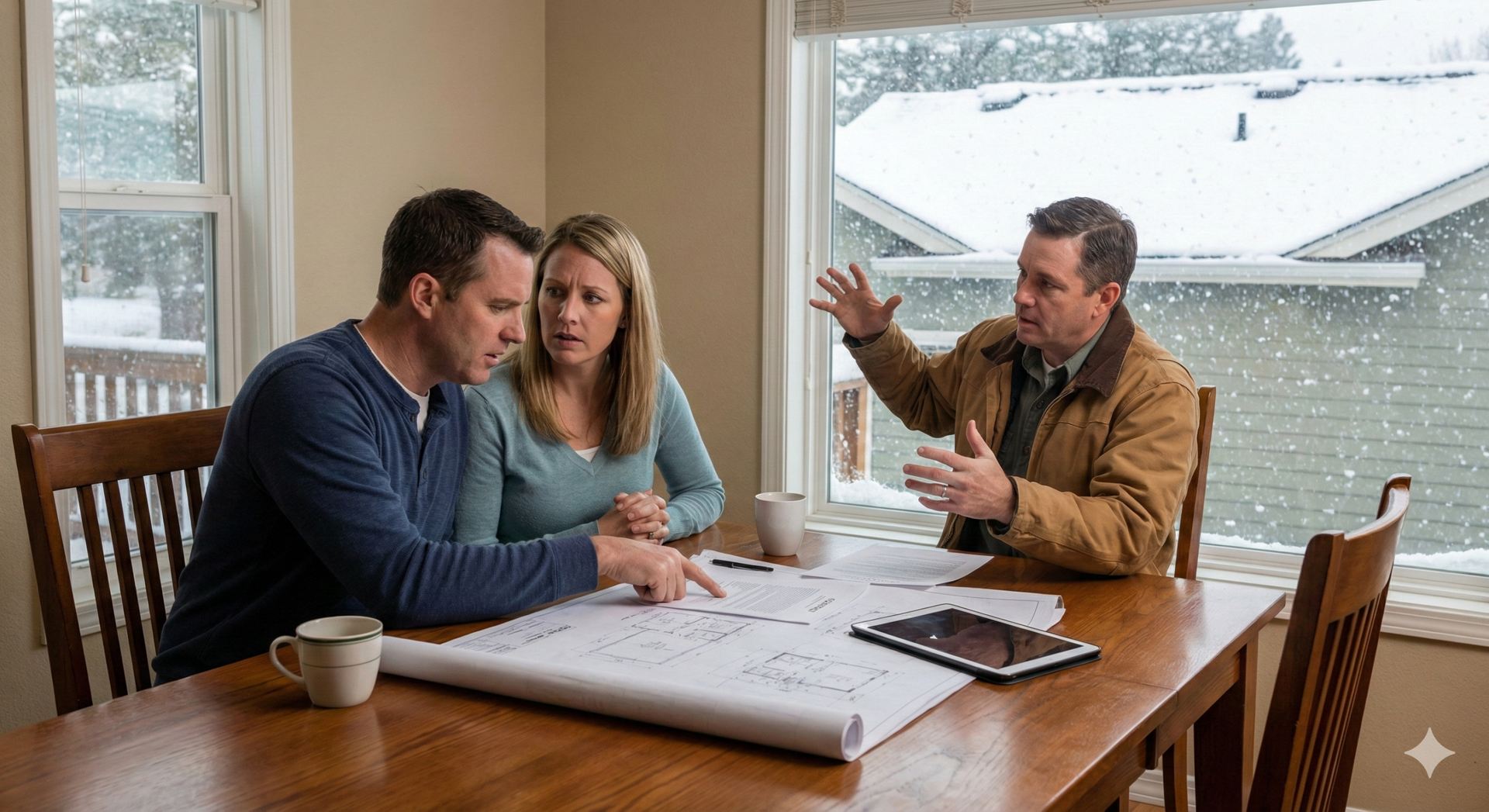
Why Acting in January Saves You Money
Winter roof problems rarely resolve themselves. Delaying action often leads to: Interior water damage, mold remediation costs, and structural repairs, higher insurance claims. By addressing roof is, sues early, homeowners protect both their property and their budget.
Cold temperatures don’t wait—and neither should you. If your roof hasn’t been inspected this winter, now is the time.
The post How California’s January 2026 Cold Snap Is Affecting Your Roof (And What to Do Now) appeared first on Yorkshire Roofing.
Request a Quote
Call (800) 794-7444) or complete the form below.
Contact Us
We will get back to you as soon as possible.
Please try again later.